
Mantras – Meaning, Types, Benefits & Spiritual Powers
At Aghordham, under the divine guidance of Guru Kaushiknath Ji Maharaj, mantras are practiced as sacred vibrational tools that heal, purify, and awaken consciousness. Rooted in the ancient Vedic traditions, these mantras carry the power to calm the mind, balance emotions, elevate spiritual energy, and connect seekers with the divine.
What is Mantras?
A mantra is a sacred sound, word, or phrase that is repeated to focus the mind, purify energy, and awaken spiritual consciousness. The word mantra comes from two Sanskrit roots— “man” (mind) and “tra” (tool or instrument). Together, a mantra becomes a “tool for the mind”, guiding one toward peace, clarity, and higher awareness.
In ancient traditions such as Hinduism, Buddhism, and Jainism, mantras are considered powerful vibrational formulas. They are not ordinary words—they are energy codes that influence the body, mind, and soul. When chanted with devotion, a mantra can:
- calm the mind
- remove stress
- increase positivity
- open deeper states of meditation
- connect the practitioner with divine energies
Mantras may be spoken aloud, whispered softly, or chanted silently within the mind. Each method carries its own spiritual potency. The vibration produced by these sounds aligns a person’s inner energy with universal consciousness.
At Aghordham, under the blessings of Guru Kaushiknath Ji Maharaj, mantras are used as a sacred practice to cleanse negative influences, awaken inner strength, and bring the seeker closer to divine truth. They serve as a bridge between the material world and the spiritual realm, helping individuals realize peace, purpose, and spiritual fulfillment.

Table of Contents
Mantras Explained: Benefits of Chanting and How Mantras Work
Mantras are often misunderstood in yogic practice. At Aghordham, a mantra is not merely a sound to be chanted, but a sacred vibration one gradually embodies through sadhana and grace.
A mantra is not merely a sound to be spoken; it is a state of being to be realized. True mantra sadhana begins when the seeker gradually aligns their inner nature with the vibration of the mantra itself. When one becomes the mantra, it transforms into a key—only then does the deeper dimension of existence open naturally. Without this inner transformation, one must depend on external guidance rather than direct realization.
Even a single mantra, when practiced correctly, can become a powerful foundation for spiritual growth. Mantras serve as a sacred preparatory path, capable of bringing profound changes within the seeker. However, their true power unfolds only when they originate from an authentic source—one that possesses complete knowledge of sound, vibration, and creation itself.
When a mantra is received through pure transmission and practiced with sincerity, discipline, and devotion, it becomes a living force. Such a mantra does not merely create sound—it awakens consciousness, restructures inner energy, and leads the seeker toward deeper spiritual truth.
Nada Yoga: Understanding Sound as Creation
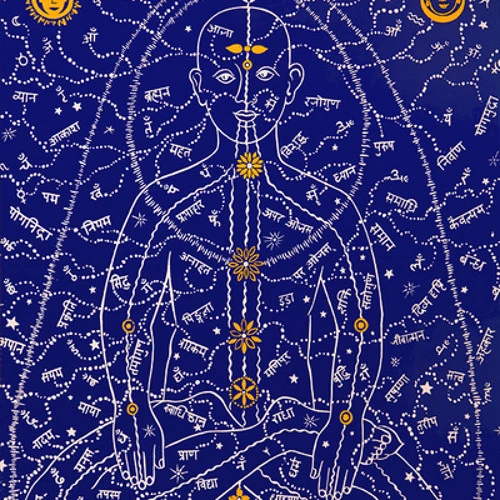
Sanskrit is best understood as a device of consciousness, not just a means of communication. While most languages evolved for expression and reference, Sanskrit was discovered through deep inner exploration of sound and form.
Modern science now confirms what ancient yogis realized long ago: every sound has a form, and every form has a corresponding sound. Nothing in existence is silent—everything vibrates. This vibrational relationship between sound and form is the foundation of Nada Yoga, the yoga of inner sound.
Mantras work because they align the practitioner with these universal vibrations. When practiced correctly, they tune the human system to the fundamental rhythm of existence itself.
Mantras and Sanskrit: The Language of Vibration
Mantras originate from the Sanskrit tradition, a language deeply rooted in sound sensitivity. Sanskrit is not merely a spoken language—it is a system based on precise vibration. Even the slightest change in pronunciation alters the energetic impact of a mantra.
When mantras are spoken without proper training, they tend to become distorted. Different linguistic habits shape pronunciation differently, and over time this can weaken or alter the mantra’s intended effect. Authentic mantra practice therefore requires careful transmission, patience, and dedication—qualities that are increasingly rare in modern times but essential for true spiritual progress.
The Sacred Science of Mantras and Sound
Mantras are not random sounds; each mantra is designed to awaken a specific type of energy within a particular part of the human system. When a mantra is repeated mechanically, without awareness or inner understanding, it can dull the mind rather than elevate it. Mere repetition alone has little value.
However, when a mantra is practiced with clarity, attentiveness, and proper guidance, it becomes a powerful spiritual instrument. Mantra sadhana is a subtle and subjective science. If imparted without preparation, discipline, or the right spiritual environment, it may disturb the practitioner’s inner balance. There are instances where even widely known mantras, when practiced incorrectly, have led to adverse effects. This is why mantras must always be received and practiced with reverence and proper instruction.
AUM – The Primordial Vibration of Existence
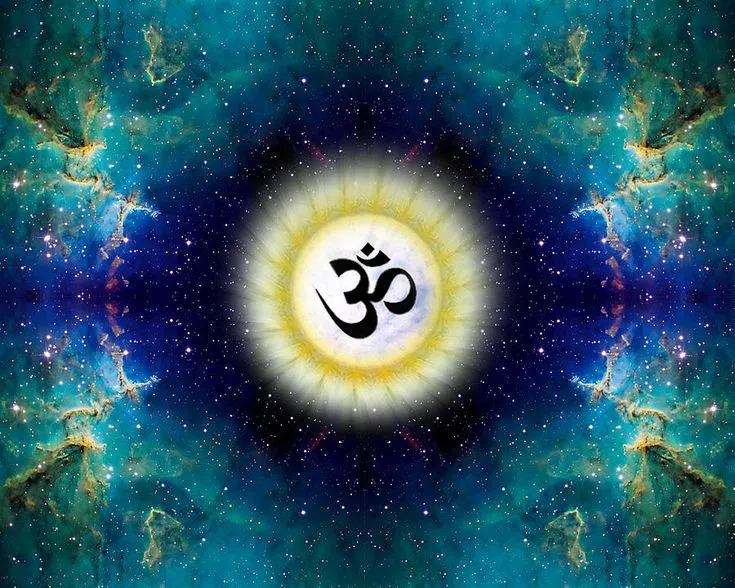
When the three sacred sounds A, U, and M merge, they form AUM—the primal vibration from which all creation arises. AUM does not belong to any religion or sect; it is the fundamental sound of existence itself. In yogic understanding, creation is not a solid structure but a continuous movement of vibration.
Ancient wisdom describes that the universe can emerge through sound alone. This does not imply a deity physically uttering syllables, but rather points to a deeper truth—that everything which exists is vibration, expressed in countless forms. What we perceive as form is, in essence, sound slowed into matter.
There is often a difference between fact and truth. The fact may describe a visible form, but the truth reveals the wholeness behind it. In the same way, AUM represents the totality of existence—beyond individual identities, beyond divisions—embracing all aspects of creation within a single vibration.
When Form Dissolves into Sound
Sacred spaces carry unique vibrational qualities. In certain elevated states of awareness, the boundaries between body, nature, and consciousness dissolve. Mountains, water, space, and the human form no longer appear as separate objects but reveal themselves as living sound.
In such moments, sound is not heard through the ears alone—it is experienced throughout one’s being. Without physical effort or vocal expression, an inner resonance arises, as if existence itself is chanting. This is the realm where Nada, the inner sound, becomes evident.
Nada Brahma – Sound as the Ultimate Reality
The ancient realization expressed in sacred verses declares that sound is Brahmand, the source and substance of all creation. Sound gives rise to life, binds beings to experience, and also provides the path to liberation. It is both the chain and the key, the force that entangles and the power that frees.
Sound manifests as energy, consciousness, and form. It is the creative force, the sustaining rhythm, and the dissolving power behind the universe. When one surrenders fully to this inner resonance, the sense of individuality begins to fade, and a deeper unity is revealed.
At Aghordham, mantra sadhana is rooted in this understanding—that sound is not merely heard, but lived. When practiced with devotion, guidance, and inner openness, mantra vibration has the power to dissolve limitations and lead the seeker toward profound inner transformation.
FAQs – Vedic Mantras & Spiritual Mantras
What are Vedic mantras?
Vedic mantras are sacred sound formulas from ancient Vedic texts used for spiritual awakening, protection, healing, and inner balance.
How are spiritual mantras different from ordinary words?
Spiritual mantras carry specific vibrations that influence consciousness, unlike ordinary words meant only for communication.
Can anyone chant Vedic mantras?
Yes, Vedic mantras can be chanted by anyone when learned correctly and practiced with awareness and respect.
How do Vedic mantras affect the mind and body?
Vedic mantras calm the mind, balance energy, reduce stress, and align the body with natural rhythms.
What is the correct way to chant spiritual mantras?
Spiritual mantras should be chanted with proper pronunciation, focus, steady breathing, and a calm mental state.
Do spiritual mantras really work without belief?
Yes, spiritual mantras work through vibration; belief enhances results but is not mandatory for their effect.
How long should one chant Vedic mantras daily?
Even 15–30 minutes of daily Vedic mantra chanting can create noticeable mental and spiritual benefits.
Are spiritual mantras linked to chakras?
Yes, many spiritual mantras activate specific chakras and help balance the body’s energy system.
Can Vedic mantras be used for healing and protection?
Yes, Vedic mantras are traditionally used for healing, protection, mental clarity, and spiritual purification.
Why practice Vedic and spiritual mantras at Aghordham?
At Aghordham, Vedic and spiritual mantras are practiced with authentic guidance and the blessings of Guru Kaushiknath Ji Maharaj.